How an LMS Transforms Corporate Training
Introduction
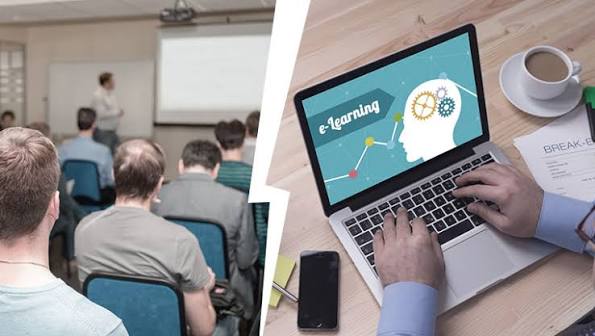
The way organizations train their workforce has changed dramatically over the past decade. Traditional classroom-based training, limited by geography, scheduling, and cost, is giving way to digital learning solutions that are faster, smarter, and far more scalable.
A Learning Management System (LMS) sits at the heart of this transformation. Whether you're a startup onboarding new hires or an enterprise upskilling thousands of employees, an LMS provides the infrastructure to deliver consistent, measurable, and engaging corporate training.
What Is Corporate LMS Training?
A corporate LMS is a digital platform purpose-built for organizational learning. It allows HR teams, L&D managers, and department heads to create and organize training content in one place, assign courses based on role or skill gap, track employee progress, generate compliance reports, and deliver learning across any device.
Unlike academic LMS platforms built for students, a corporate LMS is designed around business outcomes: productivity, compliance, retention, and growth.
Why Corporate Training Needs an LMS
Today's workforce is large, diverse, and increasingly distributed. Organizations deal with multiple office locations, remote teams, high attrition rates, and constantly evolving regulatory requirements. A traditional approach to training simply cannot keep pace.
An LMS addresses these challenges head on.
1. Scale Without Boundaries
Train hundreds or thousands of employees simultaneously, across locations, without the added costs of venues, travel, or rescheduling.
2. Consistency Across Teams
Every employee receives the same quality of training content. No knowledge gaps based on location or who their manager happens to be.
3. Compliance Made Simple
Industries like finance, healthcare, and manufacturing require mandatory compliance training. An LMS automates enrollment, tracks completion, and keeps audit-ready reports available at all times.
4. Faster Onboarding
New joiners can complete onboarding modules on day one, reducing the time it takes to become productive and taking the pressure off senior staff for basic orientation.
5. Data-Driven Learning Decisions
Managers get clear visibility into who has completed training, who is struggling, and what content needs improvement. That means smarter L&D decisions, not guesswork.
Key Features to Look for in a Corporate LMS
Not all LMS platforms are built the same. When evaluating options, look for role-based course assignment so learning paths are automatically aligned with job functions, blended learning support that mixes self-paced content with live sessions, SCORM and xAPI compatibility so you can bring in content from any authoring tool, built-in assessments and certifications, strong reporting dashboards, and a mobile experience that doesn't compromise on quality.
Common Use Cases
Organizations across industries are using LMS platforms for structured employee onboarding, compliance and regulatory training with automated reminders, product and sales enablement, leadership development programs, and even partner and vendor training beyond internal teams.
How to Maximize ROI from Your Corporate LMS
Getting the most out of an LMS comes down to how you use it. Tie training goals directly to business KPIs. Build short, focused content rather than long passive videos. Use gamification, points, badges, leaderboards, to keep learners motivated. Collect feedback regularly and act on it. Review your analytics every month and fix the drop-off points before they become habits.
Conclusion
An LMS is no longer a nice-to-have. It is a strategic asset. From faster onboarding to compliance management and leadership development, a corporate LMS delivers real business value at every stage of the employee lifecycle. The right platform, used well, means your organization learns faster, adapts quicker, and stays competitive.
Transform Corporate Training with BenchStep LMS
Looking to modernize how your organization trains its people? BenchStep LMS is scalable, easy to deploy, and built to deliver real outcomes. From onboarding and compliance to skills development and leadership programs, it gives your L&D team everything they need to build a high-performing workforce. Explore what BenchStep LMS can do for your organization today.
FAQs
What is a corporate LMS?
A corporate LMS is a software platform that organizations use to create, manage, deliver, and track employee training and development programs.
How does an LMS help with compliance training?
It automates course enrollment, sends reminders, tracks completion, and generates reports, so your organization stays compliant without the manual overhead.
Is an LMS suitable for small and medium businesses?
Absolutely. Modern LMS platforms like BenchStep scale from small teams all the way to large enterprises, making them practical and cost-effective at any size.
Can an LMS support multilingual content?
Yes. Most modern platforms support content delivery in multiple languages, so you can train employees in the language they are most comfortable with.